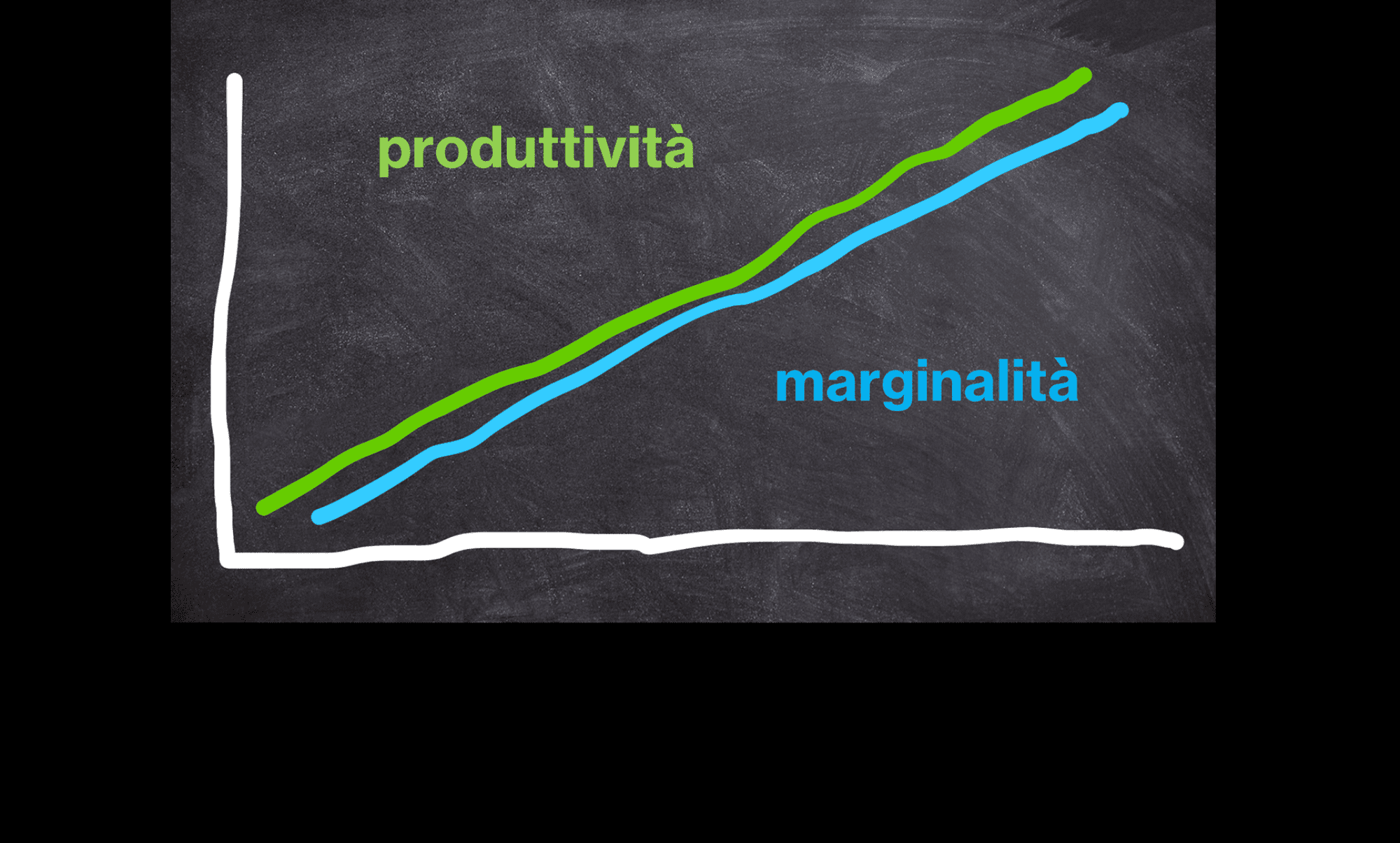


All it takes is a key and two heads
We need a bit of luck, well, it’s necessary every now and then, right? Our brilliant engineer, a tall, beautiful black woman, is about to
Come Forward, Fool!
Our engineer is pleased; the new configuration works great: zero cost, zero investment, +25% productivity. His team finds better working conditions in this and there

Productivity, Profitability, Cost, and Value
Maria welcomes us with a strained smile; she just came out of a budget meeting attended by the Big Boss, who was on his usual

PRODUCTIVITY, PROFITABILITY, AND CONTINUOUS IMPROVEMENT
“Improvement from any source is always welcome,” said a Continuous Improvement Manager to me not long ago. And how can one disagree with her? “When

500,000 Euros Found… Now What
Found 500,000 Euros… Now What? It’s a beautiful noon, the rain has stopped, and there’s even a bit of sunshine. It’s Friday, and Jubal seems

+23%,+100%… how is your Supporter?
24 March 2024 It’s essential to do the tasks well, preparing data and evidence, comparing actual costs versus standard costs, new production cycle configuration, savings,

Tacking
Neither Stefano nor I have anything to do with sailing or nautical activities. Stefano is passionate about motorcycles, music, and cinema, with no relation to

Productivity, Profitability, and Innovation: Between Old and New
There’s a wonderful buzz around the recent innovation—confirmation of just under 300 million euros invested in the startup circuit of all kinds: cellar-based, garage-based, and

Value That Comes, Value That Goes
She arrives two minutes early; we have time to exchange greetings and catch up on how things are going. The general tone is benevolent and
Time in Improvement
We are looking at a plant layout made with CAD—clear and precise—one of the five bays served by the overhead crane. Francesco connects each section

Between Saying and Doing: Value and Non-Value
Giulia shows up punctually to our microcycle with the recorded video. We encounter a technical hiccup as the video sharing doesn’t start immediately: Muda of
The Time of (Continuous) Improvement
Key Elements The Importance of Time in Continuous Improvement: Emphasizing that time is not the real issue, but rather the prioritization and value of continuous

Taken for a Ride
At a certain point, Lorenzo jumps up and says, “This takt stuff has never sat well with me…” The Tuscan accent is noticeable but not
Continuous Improvement – Value and ∼Value
What we continuously observe is that Continuous Improvement is NOT Continuous Improvement: sure, there are improvements, and the commitment is ongoing, but this is NOT

MUDA – PART 3 – WHAT MAKES THEM INVISIBLE
Every person in their work aspires to generate value for themselves: remember when I asked how you would feel if after the five minutes you

MUDA – WHAT THEY ARE – part 2
“Muda: every object and action (whether by man or machine) that does not add value directly to the customer at the moment it is observed.”

MUDA – WHAT THEY ARE – part 1
“To be good photojournalists, you should rub sandpaper on your eyes every morning.” Guy Le Querrec Yes, I know we’re not here to talk about
Toyota!? Again?! Enough already…
Key Elements Resilience and Adaptability: Highlighting Toyota’s resilience and adaptability in overcoming crises and maintaining market leadership. Innovation and Strategic Pivot: Discussing Toyota’s strategic pivot
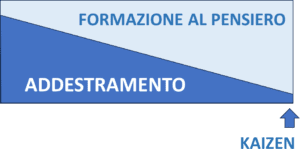
How and Why Our Microcycle Achieves the Goal and Other Methods Do Not
Let’s set aside for the moment the enormous practical advantages that this form of learning support presents compared to more traditional forms; we will discuss
Reversed Productivity
“Yes, we are doing well; we closed with an EBITDA increased by 30% compared to the previous year, going from 15% to 22%, robust investments,
