

“Improvement from any source is always welcome,” said a Continuous Improvement Manager to me not long ago. And how can one disagree with her?
“When someone mentions ‘continuous improvement,’ it makes me furious. All nonsense, trivialities, and minutiae, as Totò used to say: I am for disruptive improvement, the kind that really changes things, pushing innovation.” … Supply Chain Global Director, an astrophysicist. And who wouldn’t want to get their hands on a true game changer that turns the tides in our favor?
“I can’t stand seeing that handwritten form given to the Third-Party Inspector anymore: let’s improve this to start with!” said an Operations Director at the start of the first microLAB. Clearly, wasted time, precision at risk, transcription errors, critical traceability… he wasn’t wrong, don’t you think?
I believe the questions that Continuous Improvement needs to answer are at least threefold:
- How do we recognize improvement?
- Where do we extract it from?
- How do we make it continuous?
From what I see, everyone answers these questions in their own way with their own KPIs, procedures for extracting improvement ideas, and their own interpretation of what “continuous” means: in many ways, everyone makes their own calculations to suit themselves, more or less.
As far as I know, the rule of the competitive arena has always been: it doesn’t matter how you succeed; what matters is that you can demonstrate you know how to maintain a competitive edge. Basically, however you manage to come out alive and triumphant from the arena, do as you please.
It’s not exactly that we can do whatever we want—we are subject to local and global constraints—but to this day, each entity, whether individual or large enterprise, can pretty much do as they please in terms of Continuous Improvement.
- Everyone can choose the criteria and KPIs they want—there are dozens.
- Everyone can adopt the extraction methods they prefer, from suggestion boxes to R&D departments.
- Everyone can interpret “continuous” however they want: from a constant openness to improvement, a desire for improvement, a commitment and reward for improvement, to workshops dedicated to improvement—there are many ways.
For several decades, we have been dealing with the formidable complexity of the global arena and, in principle, accept that there are no simple answers to complex problems anywhere—canned solutions and black swans, innovation managers, and R&D—all serve a purpose and contribute.
But we cannot ignore a widely documented fact: in the daily brawl among those fighting in the arena, everyone does everything, but very few (you can count them on the fingers of one hand) are unwavering about what Continuous Improvement means, reducing the questions to two, each with one and only one answer.
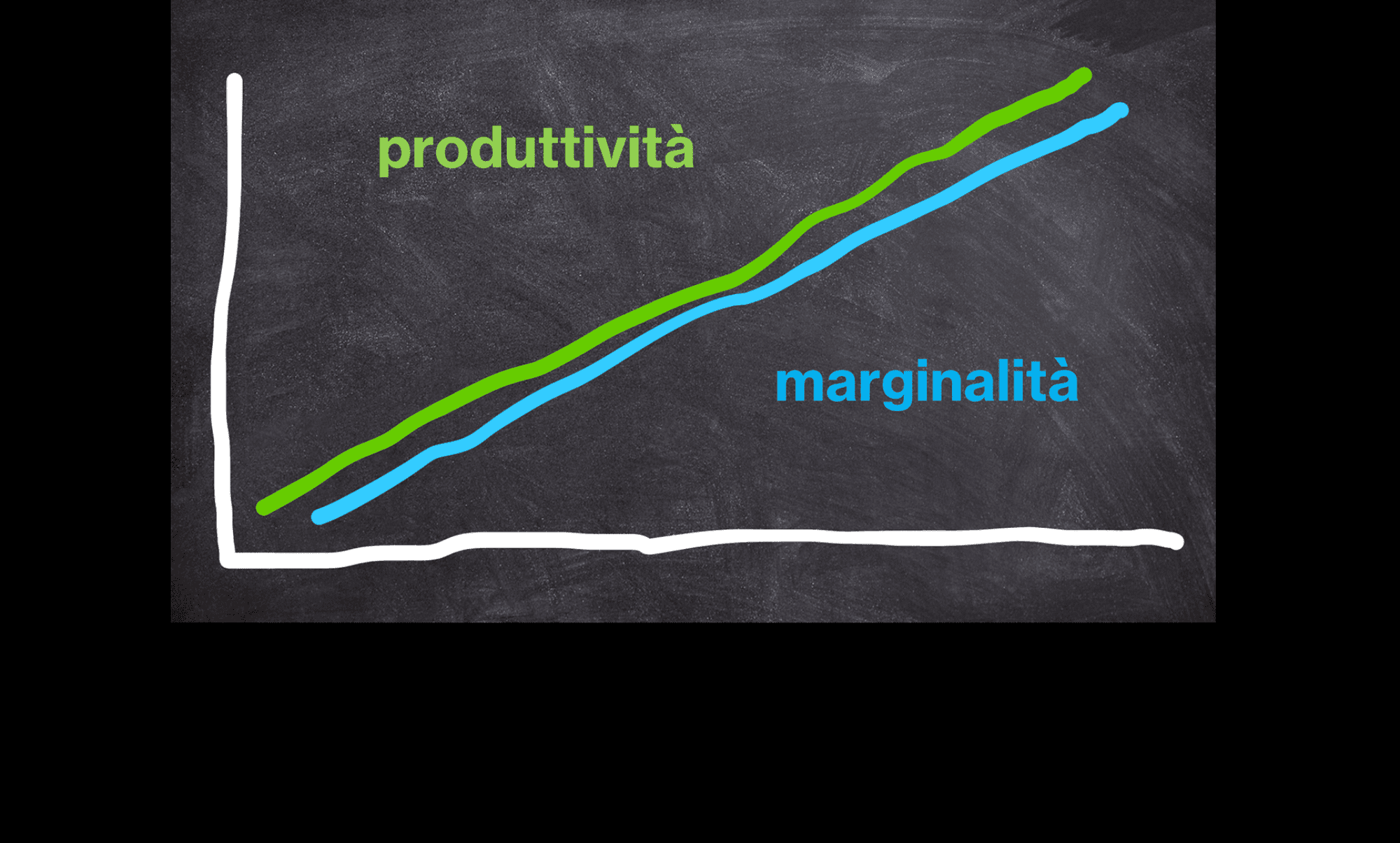
- What is Improvement? It is an increase in productivity and profitability.
- How is it generated? Continuous means: every day, extracting it from the reconfiguration of organizational processes, eliminating non-value, and increasing value.
So, hooray for the engineer, yes, improvements from any source are welcome; hooray for the astrophysicist and his black swans; hooray for R&D and Innovation Managers—everyone contributes their part. And while we wait for game changers, innovations, improvement ideas, and black swans, let’s get to work today, right now: remove non-value, increase value.
Who really does it? Everyone knows, right? Toyota, Komatsu, Honda… and for a while now, those who have adopted the Valinova method.
Key Elements:
- Embracing Improvement from All Sources: Highlighting the importance of welcoming improvement from any source, no matter how small.
- Disruptive Innovation vs. Continuous Improvement: Balancing the desire for game-changing innovation with the necessity of continuous, incremental improvements.
- Practical Problem-Solving: Demonstrating the need to tackle everyday inefficiencies, like the handwritten form example.
- Three Key Questions: Identifying how to recognize improvement, where to extract it from, and how to make it continuous.
- Universal Criteria and Methods: Emphasizing the flexibility and variety of criteria, KPIs, and methods that can be adopted for continuous improvement.
- Daily Commitment: Reinforcing the idea that continuous improvement requires daily effort to remove non-value and increase value.
- Successful Examples: Mentioning successful companies like Toyota, Komatsu, Honda, and those adopting the Valinova method as models of continuous improvement.